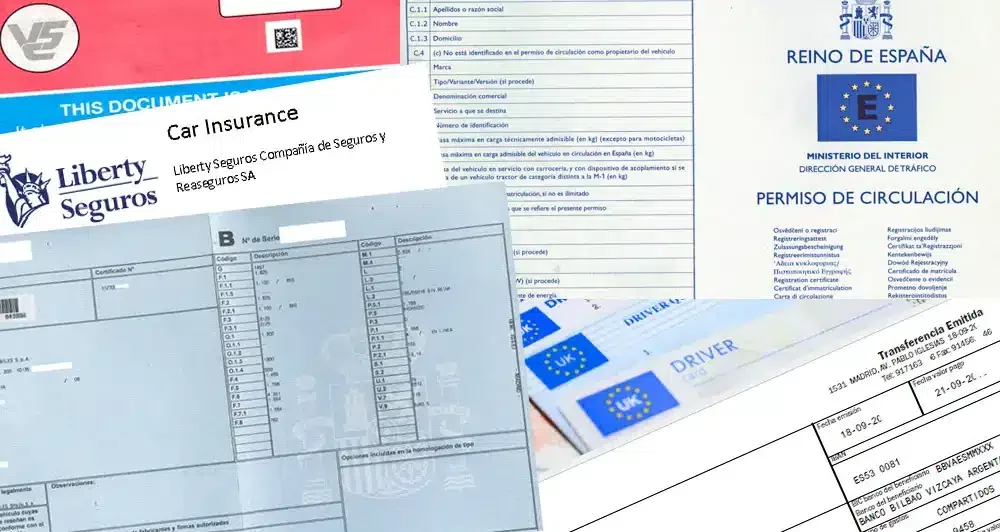
Buying or selling a car in Tenerife involves an official ownership transfer process called a traspaso. This legal transfer must be completed through the DGT (Dirección General de Tráfico) within 30 days of the sale — failing to do so leaves both buyer and seller in a legally exposed position. This guide explains exactly what's involved, what it costs, and the pitfalls to avoid.
Why the Traspaso Is Non-Negotiable
In Spain, legal ownership of a vehicle is determined by DGT registration — not a handshake or even a signed purchase contract. Until the traspaso is complete, the car is still legally the previous owner's. That means:
- Any fines caught on camera are sent to the previous owner, who can pass liability back to you
- Your insurance won't be valid in your name if you're in an accident
- The previous owner can technically report the car stolen
- You can't legally sell the car in the future without sorting the paperwork
Never drive a car for more than a few days without completing the transfer. Many buyers in Tenerife do this and live to regret it.
Before You Buy: Check the Car's History
Before agreeing to a purchase, you can run a basic check on the vehicle through the DGT website using the car's number plate. This will show whether the car has an active ITV (Spain's equivalent of the MOT), any outstanding charges on the vehicle, and whether it's been reported as stolen. You should also check there's no outstanding finance — unlike in the UK, car finance doesn't automatically follow the vehicle in Spain, but unresolved finance can complicate the transfer. We can help you run these checks before you commit.
Documents Required for the Traspaso
Both buyer and seller must have their NIE/TIE numbers. You'll also need:
- Current car registration document (permiso de circulación) — original
- Technical inspection card (ficha técnica) — original
- Valid ITV certificate — must not be expired. If it is, the ITV test must be passed before transfer
- Signed purchase contract between buyer and seller
- Padrón certificate for both parties
- Proof that the transfer tax has been paid
The Transfer Process Step by Step
Most people in Tenerife use a gestoría (a licensed administrative agency) to handle the paperwork, which simplifies things considerably. Here's how it typically works:
- Sign the purchase contract — both parties agree the price, date, and vehicle details in writing
- Pay the transfer tax (ITPAJD) — this is a regional tax based on the vehicle's official value (not what you paid). It's paid at the bank before submission
- Submit to DGT via gestoría — the gestoría handles the DGT submission and follows up on your behalf, similar to how they assist with driving license exchanges
- Receive new registration document — typically 5–7 working days later
- Update insurance — you must transfer or take out new insurance in your name immediately
Costs Involved
The total cost of a traspaso typically runs between €200–400 depending on the vehicle:
- ITPAJD transfer tax: €50–150 depending on the car's official catalogue value and age
- Gestoría fees: €80–150 for handling the DGT submission
- ITV test (if expired): €45–60 at an authorised station
The seller typically pays nothing — all costs fall to the buyer. Negotiate accordingly when agreeing the sale price.
Common Problems and How to Avoid Them
The most frequent issues we see:
- Expired ITV — the transfer can't go through until it's renewed. Always check before agreeing to buy
- Missing seller documentation — if the seller has lost the ficha técnica, a replacement must be obtained from DGT before proceeding
- Outstanding fines or charges — check the plate history first
- Incorrect purchase contract — contracts must include specific legal wording; generic forms from the internet often lack required details
We help by reviewing all paperwork before you commit, coordinating with the gestoría on your behalf, ensuring both parties understand their obligations (often a language issue), and accompanying you to any appointments if needed. You'll also need a Spanish bank account for insurance payments and to pay the transfer tax.