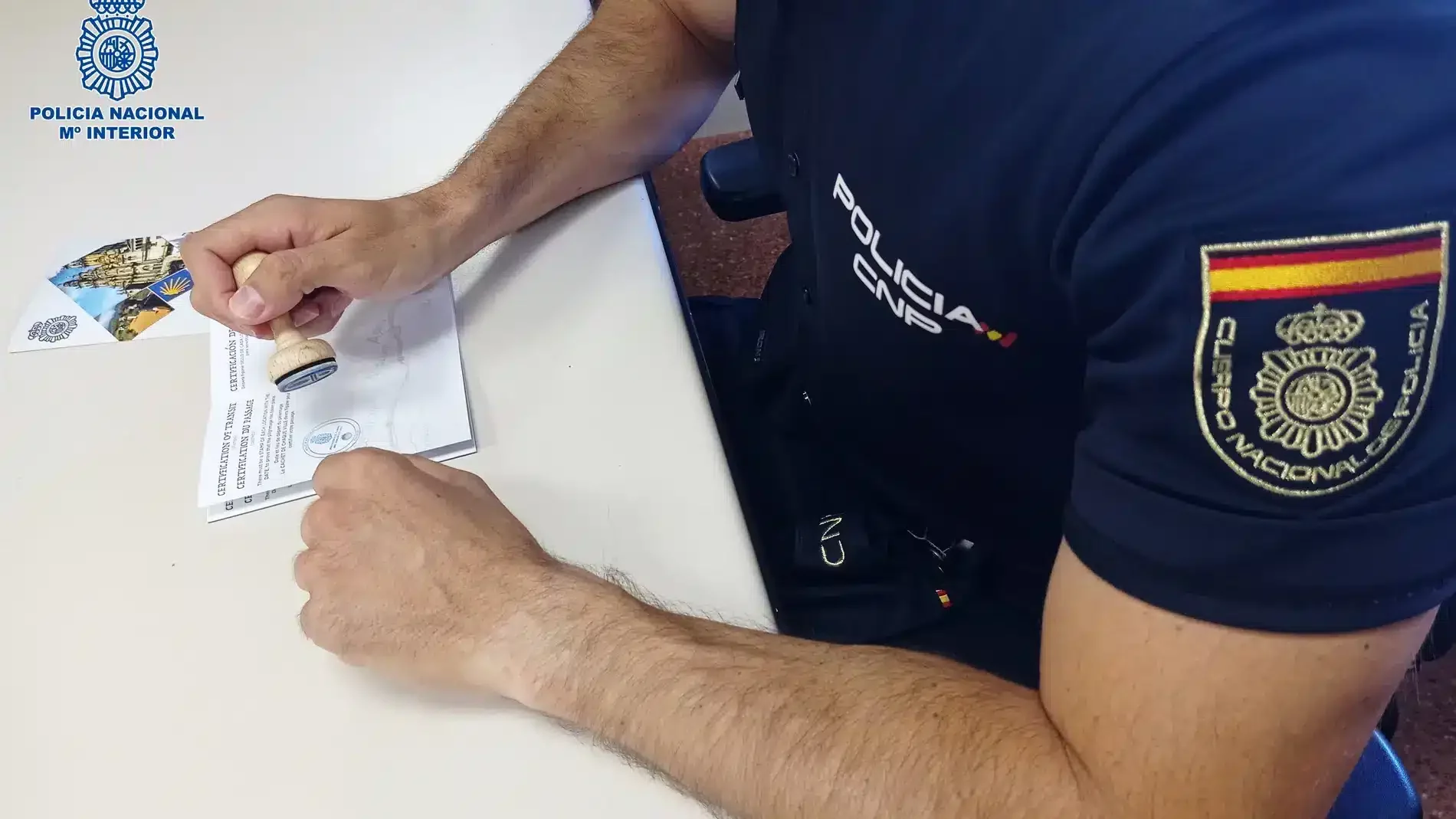
Losing your wallet, being the victim of a crime, or witnessing an incident can be a stressful experience, especially when you're in another country. A "denuncia" is the first and most crucial step in the Spanish legal system to report a crime and protect your rights. This guide explains what it is and how the process works in Tenerife for British expats.
What Exactly is a Denuncia?
A denuncia is a formal complaint or report made to the Spanish authorities (the police) to inform them that a crime has taken place. It is a legal obligation for anyone who has witnessed a public crime. For victims, it is the official act that initiates a police investigation and is often required for insurance claims and document replacement.
When Should You File a Denuncia in Tenerife?
You should file a denuncia in any situation where you believe a crime has been committed. This applies to both residents and tourists. Common examples include:
- Theft: Reporting a stolen wallet, phone, passport, or other personal belongings. This is essential for insurance purposes and to get a replacement passport (you'll need to contact passport renewal services).
- Fraud: If you've been a victim of a scam, such as a fraudulent rental agreement or credit card fraud.
- Damage to Property: Reporting vandalism or damage to your vehicle (essential for car ownership insurance claims) or home.
- Assault or Threats: Informing the police about any form of physical abuse, threats, or harassment.
- Lost Documents: While not a crime, you need a denuncia for lost passports, TIE cards, or driving licenses to get replacements.
Where to File Your Denuncia in Tenerife
You can file a denuncia at a station of one of Spain's main police forces. The choice often depends on the location and type of crime:
- Guardia Civil: They police most of the island's territory, including rural areas and smaller towns. This is often the correct choice in popular tourist areas in the south like Costa Adeje, Los Cristianos, and Playa de las Américas.
- Policía Nacional: They have jurisdiction in larger towns and cities, such as Santa Cruz de Tenerife. They typically handle issues like passport renewal and immigration matters, so if you've lost your passport, this is usually where you need to go.
- Policía Local: The local municipal police can also take reports and are often the first on the scene, but they may direct you to the Guardia Civil or Policía Nacional to formalise the denuncia depending on the nature of the crime.
Some police forces offer an online service to pre-fill the report, but you will still need to go to the station to sign it and make it official.
What Documents Do You Need?
When filing a denuncia, bring:
- Your passport or TIE card (if not stolen) - the same ID you used for your NIE/TIE application
- Your Padrón certificate (proof of address)
- Any evidence related to the crime (photos, receipts, serial numbers, etc.)
- Details of any witnesses
The Critical Role of a Professional Interpreter
While the police are helpful, they are not obligated to provide a translator. The denuncia is a legal document, and any inaccuracies can have serious consequences for your case or insurance claim. The officer will write the report in Spanish, and you will be asked to sign it as a true and accurate statement.
Hiring a professional interpreter ensures that:
- Your account of the events is translated with 100% accuracy.
- You understand every question the officer asks you.
- The final document you sign is a faithful record of what happened.
- Nothing is lost in translation that could affect your insurance claim or legal case.
This small investment provides enormous peace of mind and legal security during a stressful time.
After Filing Your Denuncia
You'll receive a copy of the denuncia immediately. Keep this safe - you'll need it for:
- Insurance claims
- Passport replacement
- TIE card replacement
- Driving license replacement (see our driving license exchange guide)
- Any legal proceedings
Need Help with Other Official Paperwork?
If you're dealing with the aftermath of a crime, you might also need help with other official processes. We can also assist with visits to the Ayuntamiento for replacement documents, or connecting with Social Services if you need additional support.