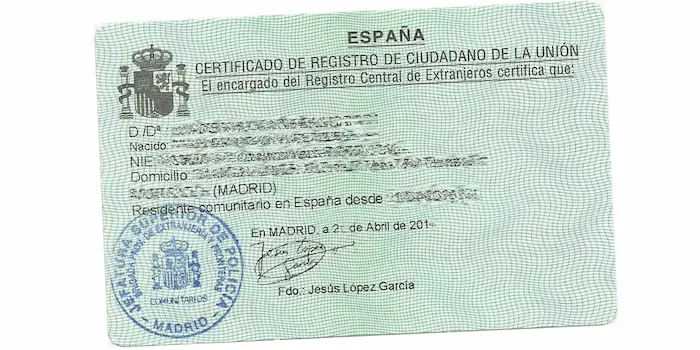
If you're a British expat living in Tenerife without proper residency documents, you're not alone—and there is a solution. Brexit created confusion for many UK nationals, and some missed the residency deadline. The Spanish system offers a pathway called "retroactive residency" or arraigo, which allows you to legalize your status based on your continuous presence in Spain. This guide explains your options.
Understanding the Brexit Residency Situation
Before Brexit, UK citizens could live freely in Spain as EU citizens. The transition period ended on December 31, 2020, and UK nationals had until June 30, 2021, to apply for residency under the Withdrawal Agreement. Many people missed this deadline due to confusion, language barriers, or believing they'd already done enough by being on the Padrón (local register).
Living in Spain without proper residency documentation now leaves you in a vulnerable position legally and administratively.
What Is Retroactive Residency (Arraigo)?
Arraigo is a Spanish immigration pathway designed for people who have been living in Spain without proper legal status but can prove continuous residence. There are three types:
- Arraigo Social (Social Ties): Requires 3 years of continuous residence, a job offer or employment contract, and proof of social integration (such as family ties or a clean criminal record).
- Arraigo Laboral (Work-Based): Requires proof of working in Spain for at least 2 years, even without a contract. This is harder to prove but possible with evidence like bank transfers or witness statements.
- Arraigo Familiar (Family-Based): For those with Spanish family members or children born in Spain.
For most British expats in Tenerife, Arraigo Social is the most viable option.
Am I Eligible for Retroactive Residency?
You may qualify if you can prove you've been living continuously in Spain for at least 3 years, have no serious criminal record in Spain or your home country, have ties to Spain (employment, family, or community integration), and can demonstrate you are not a burden on the social welfare system.
The key challenge is proving continuous residence. Spanish authorities require substantial documentation.
Evidence You Need to Gather
Start collecting proof of your life in Spain over the past 3+ years:
- Padrón Certificates: Historical Padrón registration showing your address over time.
- Rental Contracts: All contracts you've signed while living in Tenerife.
- Utility Bills: Electricity, water, internet bills in your name, especially for utility accounts.
- Bank Statements: Showing regular Spanish transactions and address history (see banking help).
- Medical Records: Appointments at Spanish clinics or doctor visits.
- Employment Documents: Contracts, payslips, tax returns (if you worked).
- School Records: If you have children enrolled in Spanish schools.
- Official Correspondence: Letters from the Ayuntamiento, Spanish government agencies, or official entities addressed to you.
The more evidence you have, the stronger your case.
The Application Process
Applying for arraigo involves multiple steps and appointments at different offices:
- Gather All Documentation: Collect and organize all proof of residence and integration.
- Get a Job Offer or Contract: For arraigo social, you need a formal job offer. Some law firms or agencies can help with this requirement.
- Apply at Immigration (Extranjería): Submit your application with all supporting documents. You'll need to book a cita previa (appointment), similar to the process for NIE/TIE applications.
- Wait for a Decision: Processing can take 6-12 months. During this time, you'll receive temporary documentation allowing you to stay legally while your case is reviewed.
- Receive Your TIE Card: If approved, you'll be granted a residence permit and can collect your TIE card.
The Risks of Delaying
Living without proper residency is risky. Potential consequences include fines from €500 to €10,000, deportation with an entry ban to the Schengen Area, inability to work legally or access healthcare, difficulty opening or maintaining bank accounts, inability to rent property legally, and problems if you need to leave and re-enter Spain.
The sooner you address this, the better.
How We Help You Navigate Retroactive Residency
The retroactive residency process is complex, involves multiple government offices, and requires precise documentation. We provide comprehensive support including reviewing your case to determine the best arraigo pathway, helping gather and organize all necessary evidence, translating documents into Spanish, booking appointments at Extranjería and other offices, accompanying you to all appointments as your professional interpreter, ensuring all forms are completed correctly, and liaising with immigration lawyers if complex legal issues arise.